
What is Bitcoin? (part 3)
What are the main properties of Bitcoin?
1. Bitcoin is decentralized
The network is not controlled by any central institution. Every computer that calculates and transfers Bitcoin is part of the network. This means that no central party can make directional monetary policy decisions for the bitcoin network, let alone take away users’ bitcoin. For example, it is not possible to create more Bitcoin arbitrarily. If the system goes offline for any reason, the Bitcoin will still be preserved. The entire log of the Bitcoin network can theoretically be stored on a hard drive or even printed out on paper.
2. Bitcoin is safe
Bitcoin is considered tamper-resistant because the Bitcoin blockchain is constantly checked by the entire network. Therefore, attacks on the blockchain itself are very unlikely and the Bitcoin blockchain has never been hacked.
3. Bitcoin is easy to use and non-discriminatory
Opening an account or business account with a bank is often associated with bureaucratic hurdles. Anyone can open a bitcoin account without having to provide proof. We explain how this works here.
4. Bitcoin is pseudonymous
Bitcoin is pseudonymous because every transaction and the assets that are on a single wallet can be viewed by anyone. Users can own multiple Bitcoin wallets. No names, residential addresses or other personal data are assigned to these.
5. Bitcoin payments are 100% transparent
The network stores every single transaction in the blockchain. The blockchain is like a huge register. If someone has a BTC address, everyone can see how many bitcoins are in that account. However, it cannot be seen who owns this BTC address. Nevertheless, some users distribute their Bitcoin to different addresses.
6. Transaction costs not tied to countries
An international bank transfer at a conventional bank quickly becomes expensive. With Bitcoin, however, it does not matter whether the recipient of the transfer is one or several thousand kilometers away.
7. Bitcoin is Fast (Peer-to-Peer)
Bitcoin can be sent anywhere and it can take just a few minutes for the network to confirm payment. A bitcoin transfer is peer-to-peer, meaning there is no middleman or intermediary in the way. In contrast to bank transfers, the transaction takes place directly and without detours from A to B.
What is bitcoin mining?
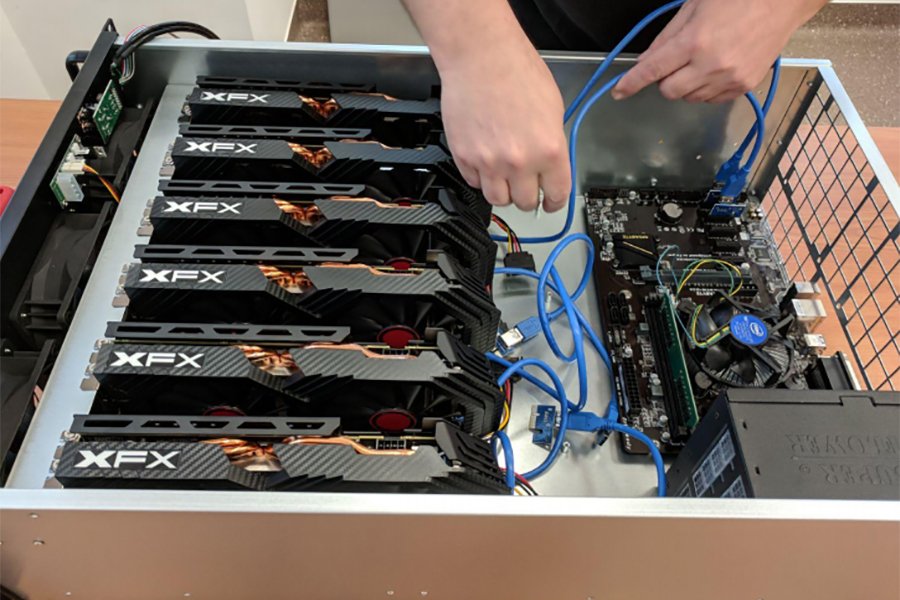
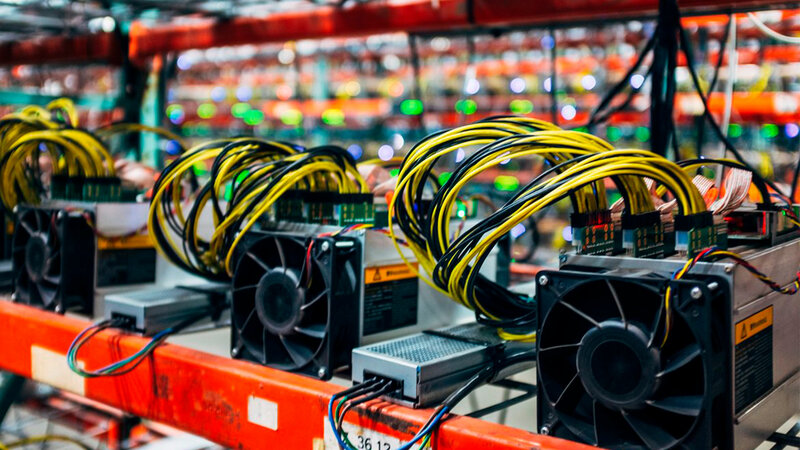
Bitcoin mining is a process in which computing power is made available to process transactions, secure the network and synchronize all data on the Bitcoin blockchain. This process is called mining, analogous to gold digging. A large number of miners worldwide participate in Bitcoin mining, who receive remuneration for their services. The payment of the respective bitcoin shares depends on the computing capacity made available. More on bitcoin mining
What is a bitcoin node?
A node is a computer that connects to other computers on the network, following rules and sharing information. A full node is a computer on Bitcoin's peer-to-peer network that holds a copy of the entire Bitcoin blockchain and continuously syncs with other nodes. More about the Bitcoin node
Pros and Cons of Bitcoin (BTC)
Decentralized and tamper-proof structure that eliminates middlemen
Anyone can participate in the Bitcoin network and send Bitcoin worldwide
No inflation by limiting the total amount of Bitcoin in the protocol code
World's most secure blockchain network that has never been hacked
Bitcoin is slowly evolving as the network always needs to find a common consensus
Comparatively slow transactions
No central authority that can undo transactions in case of human error
How is Bitcoin different from other digital currencies?
Bitcoin can be used to purchase goods and services and to conduct financial market transactions. Bitcoin fulfills the same functions as conventional currencies (“fiat currencies”), such as the euro or US dollar. However, the most important Bitcoin characteristic is its decentralization. The Bitcoin network is not subject to any institutional control. This means that no central bank or state can control the money supply and set the framework – the network controls itself. This independence and decentralization makes Bitcoin a unique digital asset.
.jpg)
.jpg)



 English (US)