
What is Bitcoin?
In 2008, a person, or more, under the pseudonym Satoshi Nakamoto published a nine-page document outlining a new decentralized digital currency. It was called Bitcoin. It is the first successful decentralized cryptocurrency and payment system in the world, and it came to life one year after the mentioned document, in 2009.
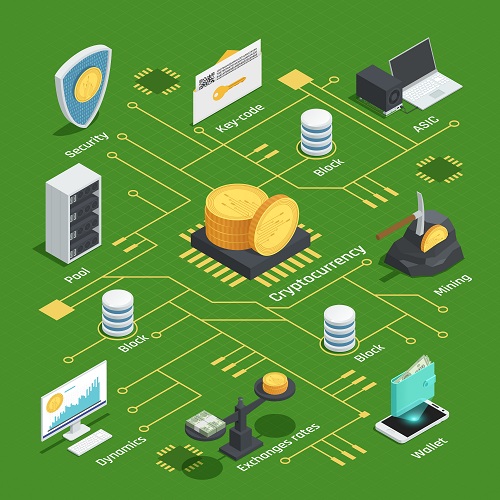
The term "cryptocurrency" refers to a group of digital assets in which transactions are secured and verified using cryptography - data encoding and decoding. These transactions are stored on computers distributed around the world through a technology called blockchain.
Bitcoin can be divided into smaller units known as "satoshi" and used for payments, but it is also considered valuable like digital gold, primarily because the price of one bitcoin has risen significantly since its inception - from less than a cent to tens of thousands of dollars.
The term “decentralized” is often used when talking about cryptocurrency and simply means something that is widely distributed and does not have a single, centralized location or controlling authority. In the case of bitcoin, and indeed many other cryptocurrencies, the technology and infrastructure that governs their creation, supply and security do not rely on centralized entities, such as banks and governments.
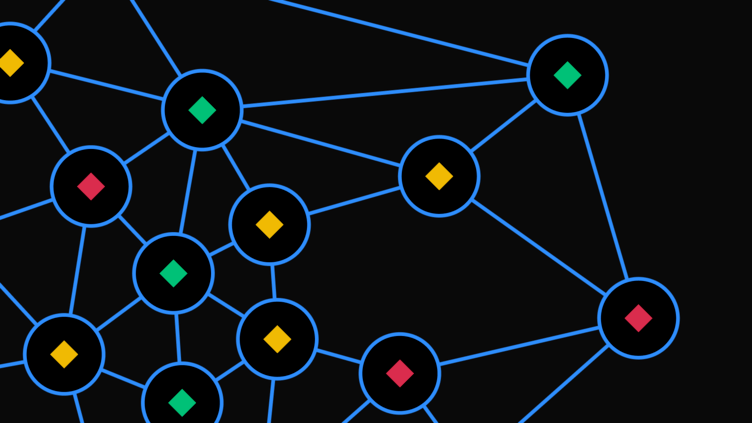
Bitcoin is designed in such a way that users can exchange value with each other directly through a peer-to-peer network; a type of network where all users have equal power and are connected directly to each other without a central server or intermediary company acting in the middle.
The Bitcoin network is completely public, meaning that anyone in the world with an internet connection can participate without restriction. It's also open source, meaning anyone can see or share the source code that Bitcoin is built on.
Perhaps the easiest way to understand Bitcoin is to think of it as the internet for money. The Internet is purely digital, nobody owns or controls it, it has no borders, it works 24 hours a day, 7 days a week, and people who use it can easily share data with each other. Now imagine that there was an 'internet currency' where everyone using the internet could help secure it, issue it and pay each other directly with it, without having to involve a bank. At its core it is Bitcoin.
Nakamoto originally designed bitcoin as an alternative to traditional money, with the goal of eventually becoming a globally accepted legal tender for people to use to buy goods and services.
However, bitcoin's usefulness for payments is somewhat hampered by its volatility, as well as the slowness of the network. In the case of Bitcoin, its price can change dramatically from day to day and even minute to minute, which does not make it an ideal payment option.



.jpg)


 English (US)